原型与原型链
原型基础
原型对象基础
每个对象都有一个 原型 prototype 对象,通过函数创建的对象也将拥有这个原型对象。原型是一个指向对象的指针。
- 可以将原型理解为对象的父亲,对象从原型对象继承属性
- 原型就是对象除了是某个对象的父母外没有什么特别之处
- 所有函数的原型默认是
Object的实例,所以可以使用toString/valueOf/isPrototypeOf等方法的原因 - 使用原型对象为多个对象共享属性或方法
- 如果对象本身不存在属性或方法将到原型上查找
- 使用原型可以解决,通过构造函数创建对象时复制多个函数造成的内存占用问题
- 原型包含
constructor属性,指向构造函数 - 对象包含
__proto__指向他的原型对象
下例使用的就是数组原型对象的 concat 方法完成的连接操作
let hd = ['a']
console.log(hd.concat('b'))
console.log(hd)默认情况下创建的对象都有原型
let hd = { name: '刀刀' }
console.log(hd)以下 x、y 的原型都为元对象 Object,即 JS 中的根对象
let x = {}
let y = {}
console.log(Object.getPrototypeOf(x) == Object.getPrototypeOf(y)) //true我们也可以创建一个极简对象(纯数据字典对象)没有原型(原型为 null)
let hd = { name: 3 }
console.log(hd.hasOwnProperty('name'))

let xj = Object.create(null, {
  name: {
    value: '杜一刀',
  },
})
console.log(xj.hasOwnProperty('name')) //Error

//Object.keys是静态方法,不是原型方法所以是可以使用的
console.log(Object.keys(xj))函数拥有多个原型,prototype 用于实例对象使用,__proto__ 用于函数对象使用
function User() {}
User.__proto__.view = function () {
  console.log('User function view method')
}
User.view() // User function view method

User.prototype.show = function () {
  console.log('刀刀')
}
let hd = new User()
hd.show() // 刀刀
console.log(User.prototype == hd.__proto__) // true原型关系分析,与方法继承的示例
let hd = new Object()
hd.name = '刀刀'
Object.prototype.show = function () {
  console.log('daodao.com')
}
hd.show()

function User() {}
let xj = new User()
xj.show()
User.show()下面是使用构造函数创建对象的原型体现
- 构造函数拥有原型
- 创建对象时构造函数把原型赋予对象
function User() {}
let xj = new User()
console.log(xj.__proto__ == User.prototype)使用数组会产生多级继承即原型链
let hd = []
console.log(hd)
console.log(hd.__proto__ == Array.prototype)

let str = ''
console.log(str.__proto__ == String.prototype)使用 setPrototypeOf 与 getPrototypeOf 获取与设置原型
let hd = {}
let parent = { name: 'parent' }
Object.setPrototypeOf(hd, parent)
console.log(hd)
console.log(Object.getPrototypeOf(hd))使用自定义构造函数创建的对象的原型体现
function User() {}
let hd = new User()
console.log(hd)constructor 存在于 prototype 原型中,用于指向构造函数的引用。
function hd() {
  this.show = function () {
    return 'show method'
  }
}
const obj = new hd() //true
console.log(obj instanceof hd)

const obj2 = new obj.constructor()
console.dir(obj2.show()) //show method使用对象的 constructor 创建对象
function User(name, age) {
  this.name = name
  this.age = age
}

function createByObject(obj, ...args) {
  const constructor = Object.getPrototypeOf(obj).constructor
  return new constructor(...args)
}

let hd = new User('刀刀')
let xj = createByObject(hd, '杜一刀', 12)
console.log(xj)原型链基础
通过引用类型的原型,继承另一个引用类型的属性与方法,这就是实现继承的步骤。
使用 Object.setPrototypeOf 可设置对象的原型,下面的示例中继承关系为 obj>hd>cms。
Object.getPrototypeOf 用于获取一个对象的原型。
let obj = {
  name: '刀刀',
}
let hd = {
  web: 'daodao',
}
let cms = {
  soft: 'hdcms',
}
//让obj继承hd,即设置obj的原型为hd
Object.setPrototypeOf(obj, hd)
Object.setPrototypeOf(hd, cms)
console.log(obj.web)
console.log(Object.getPrototypeOf(hd) == cms) //true原型检测方法
instanceof 检测构造函数的 prototype 属性是否出现在某个实例对象的原型链上
function A() {}
function B() {}
function C() {}

const c = new C()
B.prototype = c
const b = new B()
A.prototype = b
const a = new A()

console.dir(a instanceof A) //true
console.dir(a instanceof B) //true
console.dir(a instanceof C) //true
console.dir(b instanceof C) //true
console.dir(c instanceof B) //false使用 isPrototypeOf 检测一个对象是否是另一个对象的原型链中
const a = {}
const b = {}
const c = {}

Object.setPrototypeOf(a, b)
Object.setPrototypeOf(b, c)

console.log(b.isPrototypeOf(a)) //true
console.log(c.isPrototypeOf(a)) //true
console.log(c.isPrototypeOf(b)) //true原型属性遍历
使用 in 检测原型链上是否存在属性,使用 hasOwnProperty 只检测当前对象。使用 for/in 遍历时同时会遍历原型上的属性。hasOwnProperty 方法判断对象是否存在属性,而不会查找原型。所以如果只想遍历对象属性使用 hasOwnProperty 。
let a = { url: 'daodao' }
let b = { name: '刀刀' }
Object.setPrototypeOf(a, b)
console.log('name' in a)
console.log(a.hasOwnProperty('name'))
console.log(a.hasOwnProperty('url'))let hd = { name: '刀刀' }
let xj = Object.create(hd, {
url: {
value: 'daodao.com',
enumerable: true,
},
})
for (const key in xj) {
console.log(key)
}let hd = { name: '刀刀' }
let xj = Object.create(hd, {
url: {
value: 'daodao.com',
enumerable: true,
},
})
for (const key in xj) {
if (xj.hasOwnProperty(key)) {
console.log(key)
}
}借用原型方法
使用 call 或 apply 可以借用其他原型方法完成功能。
下面的 xj 对象不能使用 max 方法,但可以借用 hd 对象的原型方法
let hd = {
  data: [1, 2, 3, 4, 5],
}
Object.setPrototypeOf(hd, {
  max: function () {
    return this.data.sort((a, b) => b - a)[0]
  },
})
console.log(hd.max())

let xj = {
  lessons: { js: 100, php: 78, node: 78, linux: 125 },
  get data() {
    return Object.values(this.lessons)
  },
}
console.log(hd.__proto__.max.apply(xj))上例中如果方法可以传参,那就可以不在 xj 对象中定义 getter 方法了
let hd = {
  data: [1, 2, 3, 4, 5],
}
Object.setPrototypeOf(hd, {
  max: function (data) {
    return data.sort((a, b) => b - a)[0]
  },
})
console.log(hd.max(hd.data))

let xj = {
  lessons: { js: 100, php: 78, node: 78, linux: 125 },
}
console.log(hd.__proto__.max.call(xj, Object.values(xj.lessons)))因为 Math.max 就是获取最大值的方法,所以代码可以再次优化
let hd = {
  data: [1, 2, 3, 4, 5],
}
console.log(Math.max.apply(null, Object.values(hd.data)))

let xj = {
  lessons: { js: 100, php: 78, node: 78, linux: 125 },
}
console.log(Math.max.apply(xj, Object.values(xj.lessons)))下面是获取设置了 class 属性的按钮,但 DOM 节点不能直接使用数组的 filter 等方法,但借用数组的原型方法就可以操作了。
<body>
  <button message="刀刀" class="red">刀刀</button>
  <button message="hdcms">hdcms</button>
</body>
<script>
  let btns = document.querySelectorAll('button')
  btns = Array.prototype.filter.call(btns, (item) => {
    return item.hasAttribute('class')
  })
</script>原型中的 this 指向
this 不受原型继承影响,this 指向调用属性时使用的对象。
let hd = {
  name: '刀刀',
}
let daodao = {
  name: '杜一刀',
  show() {
    return this.name
  },
}
hd.__proto__ = daodao
console.log(hd.show()) //刀刀原型总结与实践
prototype 属性
函数也是对象也有原型,函数有 prototype 属性指向他的原型
为构造函数设置的原型指,当使用构造函数创建对象时把这个原型赋予给这个对象
function User(name) {
  this.name = name
}
User.prototype = {
  show() {
    return this.name
  },
}
let xj = new User('杜一刀')
console.log(xj.show())函数默认 prototype 指包含一个属性 constructor 的对象,constructor 指向当前构造函数
function User(name) {
  this.name = name
}
let xj = new User('杜一刀')
console.log(xj)
console.log(User.prototype.constructor == User) //true
console.log(xj.__proto__ == User.prototype) //true

let lisi = new xj.constructor('李四')
console.log(lisi.__proto__ == xj.__proto__) //true原型中保存引用类型会造成对象共享属性,所以一般只会在原型中定义方法。
function User() {}
User.prototype = {
  lessons: ['JS', 'VUE'],
}
const lisi = new User()
const wangwu = new User()

lisi.lessons.push('CSS')

console.log(lisi.lessons) //["JS", "VUE", "CSS"]
console.log(wangwu.lessons) //["JS", "VUE", "CSS"]为 Object 原型对象添加方法,将影响所有函数
<body>
  <button onclick="this.hide()">刀刀</button>
</body>
<script>
  Object.prototype.hide = function () {
    this.style.display = 'none'
  }
</script>了解了原型后可以为系统对象添加方法,比如为字符串添加了一截断函数。
- 不能将系统对象的原型直接赋值
String.prototype.truncate = function (len = 5) {
  return this.length <= len ? this : this.substr(0, len) + '...'
}
console.log('刀刀'.truncate(3)) //刀刀...Object.create 方法
使用Object.create创建一个新对象时使用现有对象做为新对象的原型对象
使用Object.create 设置对象原型
let user = {
  show() {
    return this.name
  },
}

let hd = Object.create(user)
hd.name = '杜一刀'
console.log(hd.show())强以在设置时使用第二个参数设置新对象的属性
let user = {
  show() {
    return this.name;
  }
};
let hd = Object.create(user, {
  name: {
    value: "刀刀"
  }
});
console.log(hd);
{name: '刀刀'}
 {name: "刀刀"
 [[Prototype]]: Object
  {show: ƒ show()
[[Prototype]]: Object}}proto 属性
在实例化对象上存在 __proto__ 记录了原型,所以可以通过对象访问到原型的属性或方法。
__proto__不是对象属性,理解为prototype的getter/setter实现,他是一个非标准定义__proto__内部使用getter/setter控制值,所以只允许对象或 null- 建议使用
Object.setPrototypeOf与Object.getProttoeypOf替代__proto__
下面修改对象的 __proto__ 是不会成功的,因为_proto__ 内部使用getter/setter 控制值,所以只允许对象或 null
let xj = {}
xj.__proto__ = '杜一刀'
console.log(xj)可以通过修改对象的原型指向空,此时该原型没有 get 和 set 方法,就可以修改为字符串。如下面定义的__proto__ 就会成功,因为这是一个极简对象,没有原型对象所以不会影响__proto__赋值。
let hd = Object.create(null)
hd.__proto__ = '杜一刀'
console.log(hd) //{__proto__: "杜一刀"}下面通过改变对象的 __proto__ 原型对象来实现继承,继承可以实现多层,
let hd = {
  name: '刀刀',
}
let daodao = {
  show() {
    return this.name
  },
}
let xj = {
  handle() {
    return `用户: ${this.name}`
  },
}
daodao.__proto__ = xj
hd.__proto__ = daodao
console.log(hd.show())
console.log(hd.handle())
console.log(hd)构造函数中的 __proto__ 使用
function User(name, age) {
  this.name = name
  this.age = age
}
User.prototype.show = function () {
  return `姓名:${this.name},年龄:${this.age}`
}
let lisi = new User('李四', 12)
let xiaoming = new User('小明', 32)
console.log(lisi.__proto__ == User.prototype) //true可以使用 __proto__ 或 Object.setPrototypeOf 设置对象的原型,使用 Object.getProttoeypOf 获取对象原型。
function Person() {
  this.getName = function () {
    return this.name
  }
}
function User(name, age) {
  this.name = name
  this.age = age
}
let lisi = new User('李四', 12)
Object.setPrototypeOf(lisi, new Person())
console.log(lisi.getName()) //李四对象设置属性,只是修改对象属性并不会修改原型属性,使用 hasOwnProperty 判断对象本身是否含有属性并不会检测原型。
function User() {}
const lisi = new User()
const wangwu = new User()

lisi.name = '小明'
console.log(lisi.name)
console.log(lisi.hasOwnProperty('name'))

//修改原型属性后
lisi.__proto__.name = '张三'
console.log(wangwu.name)

//删除对象属性后
delete lisi.name
console.log(lisi.hasOwnProperty('name'))
console.log(lisi.name)使用 in 会检测原型与对象,而 hasOwnProperty 只检测对象,所以结合后可判断属性是否在原型中
function User() {}
User.prototype.name = '刀刀'
const lisi = new User()
//in会在原型中检测
console.log('name' in lisi)
//hasOwnProperty 检测对象属性
console.log(lisi.hasOwnProperty('name'))原型设置建议
通过前介绍我们知道可以使用多种方式设置原型,下面是按时间顺序的排列
prototype构造函数的原型属性Object.create创建对象时指定原型__proto__声明自定义的非标准属性设置原型,解决之前通过Object.create定义原型,而没提供获取方法Object.setPrototypeOf设置对象原型
这几种方式都可以管理原型,一般以我个人情况来讲使用 prototype 更改构造函数原型,使用 Object.setPrototypeOf 与 Object.getPrototypeOf 获取或设置原型。
构造函数与原型
构造函数的原型属性
构造函数在被new 时把构造函数的原型(prototype)赋值给新对象。如果对象中存在属性将使用对象属性,不再原型上查找方法。
- 构造函数只会产生一个原型对象
function hd() {
  this.show = function () {
    return 'show in object'
  }
}
hd.prototype.show = function () {
  return 'show in prototype'
}
const obj = new hd()
console.log(obj.show())对象的原型引用构造函数的原型对象,是在创建对象时确定的,当构造函数原型对象改变时会影响后面的实例对象。
function hd() {}
hd.prototype.name = 'hdcms'
const obj1 = new hd()
console.log(obj1.name) //hdcms

hd.prototype = {
  name: '刀刀',
}
const obj2 = new hd()
console.dir(obj2.name) //刀刀constructor 属性
构造函数的原型中包含属性 constructor 指向该构造函数,以下代码说明了这一点
function User(name) {
  this.name = name
}
let hd = new User('刀刀')
let xj = new hd.constructor('杜一刀')
console.log(xj)以下代码直接设置了构造函数的原型将造成 constructor 丢失
function User(name) {
  this.name = name
}
User.prototype = {
  show: function () {},
}

let hd = new User('刀刀')
let xj = new hd.constructor('杜一刀')
console.log(xj) //String {"杜一刀"}正确的做法是要保证原型中的 constructor指向构造函数
function User(name) {
  this.name = name
}
User.prototype = {
  constructor: User,
  show: function () {},
}

let hd = new User('刀刀')
let xj = new hd.constructor('杜一刀')
console.log(xj)构造函数原型优化
使用构造函数会产生函数复制造成内存占用,及函数不能共享的问题。
function User(name) {
  this.name = name
  this.get = function () {
    return this.name
  }
}
let lisi = new User('小明')
let wangwu = new User('王五')
console.log(lisi.get == wangwu.get) //false体验通过原型定义方法不会产生函数复制
function User(name) {
  this.name = name
}
User.prototype.get = function () {
  return '刀刀' + this.name
}
let lisi = new User('小明')

let wangwu = new User('王五')
console.log(lisi.get == wangwu.get) //true
//通过修改原型方法会影响所有对象调用,因为方法是共用的
lisi.__proto__.get = function () {
  return '刀刀' + this.name
}
console.log(lisi.get())
console.log(wangwu.get())下面演示使用原型为多个实例共享属性
function User(name, age) {
  this.name = name
  this.age = age
  this.show = () => {
    return `你在${this.site}的姓名:${this.name},年龄:${this.age}`
  }
}
User.prototype.site = '刀刀'
let lisi = new User('李四', 12)
let xiaoming = new User('小明', 32)

console.log(lisi.show()) //你在后盾人的姓名:李四,年龄:12
console.log(xiaoming.show()) //你在后盾人的姓名:小明,年龄:32将方法定义在原型上为对象共享,解决通过构造函数创建对象函数复制的内存占用问题
function User(name) {
  this.name = name
}
User.prototype.get = function () {
  return '刀刀' + this.name
}
let lisi = new User('小明')

let wangwu = new User('王五')
console.log(lisi.get == wangwu.get) //true
//通过修改原型方法会影响所有对象调用,因为方法是共用的
lisi.__proto__.get = function () {
  return '刀刀' + this.name
}
console.log(lisi.get())
console.log(lisi.get())
console.log(wangwu.get())使用Object.assign一次设置原型方法来复用,后面会使用这个功能实现 Mixin 模式
function User(name, age) {
  this.name = name
  this.age = age
}
Object.assign(User.prototype, {
  getName() {
    return this.name
  },
  getAge() {
    return this.age
  },
})
let lisi = new User('李四', 12)
let xiaoming = new User('小明', 32)
console.log(lisi.getName()) //李四
console.log(lisi.__proto__)体验原型继承
下面为 Stu 更改了原型为 User 的实例对象,lisi 是通过构造函数 Stu 创建的实例对象
lisi在执行getName方法时会从自身并向上查找原型,这就是原型链特性- 当然如果把
getName添加到对象上,就不继续追溯原型链了
'use strict'
function User() {}
User.prototype.getName = function () {
  return this.name
}

function Stu(name) {
  this.name = name
}
Stu.prototype = new User()
const lisi = new Stu('李四')

console.log(lisi.__proto__)
console.log(lisi.getName())继承与多态
当对象中没使用的属性时,JS 会从原型上获取这就是继承在 JavaScript 中的实现。
继承实现
下面使用Object.create 创建对象,做为Admin、Member的原型对象来实现继承。
function User() {}
User.prototype.getUserName = function () {}

function Admin() {}
Admin.prototype = Object.create(User.prototype)
Admin.prototype.role = function () {}

function Member() {}
Member.prototype = Object.create(User.prototype)
Member.prototype.email = function () {}
console.log(new Admin())
console.log(new Member())不能使用以下方式操作,因为这样会改变 User 的原型方法,这不是继承,这是改变原型
function User() {}
User.prototype.getUserName = function () {}

function Admin() {}
Admin.prototype = User.prototype
Admin.prototype.role = function () {}继承中的构造函数
有多种方式通过构造函数创建对象
function Admin() {}
console.log(Admin == Admin.prototype.constructor) //true

let hd = new Admin.prototype.constructor()
console.log(hd)

let xj = new Admin()
console.log(xj)因为有时根据得到的对象获取构造函数,然后再创建新对象所以需要保证构造函数存在,但如果直接设置了 Admin.prototype 属性会造成constructor丢失,所以需要再次设置constructor值。
function User() {}
function Admin() {}

Admin.prototype = Object.create(User.prototype)
Admin.prototype.role = function () {}

let xj = new Admin()
console.log(xj.constructor) //constructor丢失,返回User构造函数

Admin.prototype.constructor = Admin

let hd = new Admin()
console.log(hd.constructor) //正确返回Admin构造函数

//现在可以通过对象获取构造函数来创建新对象了
console.log(new hd.constructor())使用 Object.defineProperty 定义来禁止遍历 constructor 属性
function User() {}
function Admin(name) {
  this.name = name
}

Admin.prototype = Object.create(User.prototype)

Object.defineProperty(Admin.prototype, 'constructor', {
  value: Admin,
  enumerable: false, //禁止遍历
})

let hd = new Admin('刀刀')
for (const key in hd) {
  console.log(key)
}完全重写构造函数原型,只对后面应用对象有效
function User() {}
const lisi = new User()
User.prototype = {
  show() {
    return 'prototype show'
  },
}
const wangwu = new User()
console.log(wangwu.show())

console.log(lisi.show()) // lisi.show is not a function方法重写与调用父类
下而展示的是子类需要重写父类方法的技巧。
function Person() {}
Person.prototype.getName = function () {
  console.log('parent method') // parent method
}

function User(name) {}
User.prototype = Object.create(Person.prototype)
User.prototype.constructor = User

User.prototype.getName = function () {
  //调用父级同名方法
  Person.prototype.getName.call(this)
  console.log('child method')
}
let hd = new User()
hd.getName() // child method多态
根据多种不同的形态产生不同的结果,下而会根据不同形态的对象得到了不同的结果。
function User() {}
User.prototype.show = function () {
  console.log(this.description())
}

function Admin() {}
Admin.prototype = Object.create(User.prototype)
Admin.prototype.description = function () {
  return '管理员在此'
}

function Member() {}
Member.prototype = Object.create(User.prototype)
Member.prototype.description = function () {
  return '我是会员'
}

function Enterprise() {}
Enterprise.prototype = Object.create(User.prototype)
Enterprise.prototype.description = function () {
  return '企业帐户'
}

for (const obj of [new Admin(), new Member(), new Enterprise()]) {
  obj.show()
}深挖继承
继承是为了复用代码,继承的本质是将原型指向到另一个对象。
构造函数继承
我们希望调用父类构造函数完成对象的属性初始化,但像下面这样使用是不会成功的。因为此时 this 指向了 window,无法为当前对象声明属性。
function User(name) {
  this.name = name
  console.log(this) // Window
}
User.prototype.getUserName = function () {
  return this.name
}

function Admin(name) {
  User(name)
}
Admin.prototype = Object.create(User.prototype)
Admin.prototype.role = function () {}

let xj = new Admin('daodao')
console.log(xj.getUserName()) //undefined解决上面的问题是使用 call/apply 为每个生成的对象设置属性
function User(name) {
  this.name = name
  console.log(this) // Admin
}
User.prototype.getUserName = function () {
  return this.name
}

function Admin(name) {
  User.call(this, name)
}
Admin.prototype = Object.create(User.prototype)

let xj = new Admin('daodao')
console.log(xj.getUserName()) //daodao原型工厂
原型工厂是将继承的过程封装,使用继承业务简单化。
function extend(sub, sup) {
  sub.prototype = Object.create(sup.prototype)
  sub.prototype.constructor = sub
}

function Access() {}
function User() {}
function Admin() {}
function Member() {}

extend(User, Access) //User继承Access
extend(Admin, User) //Admin继承User
extend(Member, Access) //Member继承Access

Access.prototype.rules = function () {}
User.prototype.getName = function () {}

console.log(new Admin()) // 继承关系: Admin>User>Access>Object
console.log(new Member()) //继承关系:Member>Access>Object对象工厂
在原型继承基础上,将对象的生成使用函数完成,并在函数内部为对象添加属性或方法。
function User(name, age) {
  this.name = name
  this.age = age
}
User.prototype.show = function () {
  console.log(this.name, this.age)
}

function Admin(name, age) {
  let instance = Object.create(User.prototype)
  User.call(instance, name, age)
  instance.role = function () {
    console.log('admin.role')
  }
  return instance
}
let hd = Admin('刀刀', 19)
hd.show()

function member(name, age) {
  let instance = Object.create(User.prototype)
  User.call(instance, name, age)
  return instance
}
let lisi = member('李四', 28)
lisi.show()Mixin 模式
JS不能实现多继承,如果要使用多个类的方法时可以使用mixin混合模式来完成。
mixin类是一个包含许多供其它类使用的方法的类mixin类不用来继承做为其它类的父类
其他语言也有类似的操作比如
php语言中可以使用trait完成类似操作。
下面是示例中 Admin需要使用 Request.prototype 与 Credit 的功能,因为JS 是单继承,我们不得不将无关的类连接在一下,显然下面的代码实现并不佳
function extend(sub, sup) {
  sub.prototype = Object.create(sup.prototype)
  sub.prototype.constructor = sub
}
function Credit() {}
function Request() {}
function User(name, age) {
  this.name = name
  this.age = age
}
extend(Request, Credit)
extend(User, Request)
Credit.prototype.total = function () {
  console.log('统计积分')
}
Request.prototype.ajax = function () {
  console.log('请求后台')
}
User.prototype.show = function () {
  console.log(this.name, this.age)
}
function Admin(...args) {
  User.apply(this, args)
}
extend(Admin, User)
let hd = new Admin('杜一刀', 19)
hd.show()
hd.total() //统计积分
hd.ajax() //请求后台下面分拆功能使用 Mixin 实现多继承,使用代码结构更清晰。只让 Admin 继承 User 原型
function extend(sub, sup) {
  sub.prototype = Object.create(sup.prototype)
  sub.prototype.constructor = sub
}
function User(name, age) {
  this.name = name
  this.age = age
}
User.prototype.show = function () {
  console.log(this.name, this.age)
}
const Credit = {
  total() {
    console.log('统计积分')
  },
}
const Request = {
  ajax() {
    console.log('请求后台')
  },
}

function Admin(...args) {
  User.apply(this, args)
}
extend(Admin, User)
Object.assign(Admin.prototype, Request, Credit)
let hd = new Admin('杜一刀', 19)
hd.show()
hd.total() //统计积分
hd.ajax() //请求后台mixin 类也可以继承其他类,比如下面的 Create 类获取积分要请求后台,就需要继承 Request 来完成。
super是在mixin类的原型中查找,而不是在User原型中
function extend(sub, sup) {
  sub.prototype = Object.create(sup.prototype)
  sub.prototype.constructor = sub
}
function User(name, age) {
  this.name = name
  this.age = age
}
User.prototype.show = function () {
  console.log(this.name, this.age)
}
const Request = {
  ajax() {
    return '请求后台'
  },
}
const Credit = {
  __proto__: Request,
  total() {
    console.log(super.ajax() + ',统计积分')
  },
}

function Admin(...args) {
  User.apply(this, args)
}
extend(Admin, User)
Object.assign(Admin.prototype, Request, Credit)
let hd = new Admin('杜一刀', 19)
hd.show()
hd.total() //统计积分
hd.ajax() //请求后台实例操作
使用 call/apply 制作选项卡
查看代码
<style>
  * {
    padding: 0;
    margin: 0;
  }

  body {
    display: flex;
    justify-content: center;
    align-items: center;
    width: 100vw;
    height: 100vh;
  }

  main {
    width: 400px;
    flex-direction: column;
    position: relative;
    margin-right: 20px;
  }

  main nav {
    display: flex;
    height: 50px;
    align-items: center;
  }

  main nav a {
    background: #95a5a6;
    margin-right: px;
    padding: 10px 20px;
    border: solid 1px #333;
    color: #fff;
    js-decoration: none;
  }

  main nav a:first-of-type {
    background: #e67e22;
  }

  section {
    height: 200px;
    width: 100%;
    background: #f1c40f;
    position: absolute;
    font-size: 5em;
    display: none;
  }

  .hd-tab section:first-of-type {
    display: block;
  }

  section:nth-child(even) {
    background: #27ae60;
  }
</style>

<body>
  <main class="tab1">
    <nav>
      <a href="javascript:;">刀刀</a>
      <a href="javascript:;">hdcms</a>
    </nav>
    <section>1</section>
    <section>2</section>
  </main>
  <main class="tab2">
    <nav>
      <a href="javascript:;">刀刀</a>
      <a href="javascript:;">hdcms</a>
    </nav>
    <section>1</section>
    <section>2</section>
  </main>
</body>

<script>
  //继承工厂
  function extend(sub, sup) {
    sub.prototype = Object.create(sup.prototype)
    sub.prototype.constructor = sub
  }

  //动作类
  function Animation() {}
  Animation.prototype.show = function () {
    this.style.display = 'block'
  }
  //隐藏所有元素
  Animation.prototype.hide = function () {
    this.style.display = 'none'
  }
  //必变元素集合背景
  Animation.prototype.background = function (color) {
    this.style.background = color
  }

  //选项卡类
  function Tab(tab) {
    this.tab = tab
    this.links = null
    this.sections = null
  }
  extend(Tab, Animation)
  Tab.prototype.run = function () {
    this.links = this.tab.querySelectorAll('a')
    this.sections = this.tab.querySelectorAll('section')
    this.bindEvent()
    this.action(0)
  }
  //绑定事件
  Tab.prototype.bindEvent = function () {
    this.links.forEach((el, i) => {
      el.addEventListener('click', () => {
        this.reset()
        this.action(i)
      })
    })
  }
  //点击后触发动作
  Tab.prototype.action = function (i) {
    this.background.call(this.links[i], '#e67e22')
    this.show.call(this.sections[i])
  }
  //重置link与section
  Tab.prototype.reset = function () {
    this.links.forEach((el, i) => {
      this.background.call(el, '#95a5a6')
      this.hide.call(this.sections[i])
    })
  }

  new Tab(document.querySelector('.tab1')).run()
  new Tab(document.querySelector('.tab2')).run()
</script>原型与原型链总结
原型
JavaScript 常被描述为一种基于原型的语言——每个对象拥有一个原型对象
当试图访问一个对象的属性时,它不仅仅在该对象上搜寻,还会搜寻该对象的原型,以及该对象的原型的原型,依次层层向上搜索,直到找到一个名字匹配的属性或到达原型链的末尾
准确地说,这些属性和方法定义在Object的构造器函数(constructor functions)之上的prototype属性上,而非实例对象本身
下面举个例子:
函数可以有属性。 每个函数都有一个特殊的属性叫作原型prototype
function doSomething() {}
console.log(doSomething.prototype)控制台输出
{
    constructor: ƒ doSomething(),
    __proto__: {
        constructor: ƒ Object(),
        hasOwnProperty: ƒ hasOwnProperty(),
        isPrototypeOf: ƒ isPrototypeOf(),
        propertyIsEnumerable: ƒ propertyIsEnumerable(),
        toLocaleString: ƒ toLocaleString(),
        toString: ƒ toString(),
        valueOf: ƒ valueOf()
    }
}上面这个对象,就是大家常说的原型对象
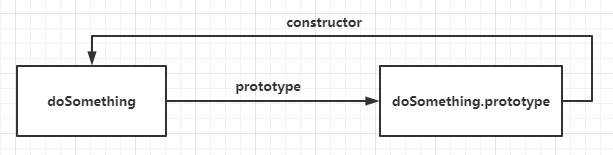
可以看到,原型对象有一个自有属性constructor,这个属性指向该函数,如下图关系展示
原型链
原型对象也可能拥有原型,并从中继承方法和属性,一层一层、以此类推。这种关系常被称为原型链 (prototype chain),它解释了为何一个对象会拥有定义在其他对象中的属性和方法
在对象实例和它的构造器之间建立一个链接(它是 __proto__ 属性,是从构造函数的 prototype 属性派生的),之后通过上溯原型链,在构造器中找到这些属性和方法
下面举个例子:
function Person(name) {
  this.name = name
  this.age = 18
  this.sayName = function () {
    console.log(this.name)
  }
}
// 第二步 创建实例
var person = new Person('person')根据代码,我们可以得到下图

下面分析一下:
- 构造函数
Person存在原型对象Person.prototype - 构造函数生成实例对象
person,person的__proto__指向构造函数Person原型对象 Person.prototype.__proto__指向内置对象,因为Person.prototype是个对象,默认是由Object函数作为类创建的,而Object.prototype为内置对象Person.__proto__指向内置匿名函数anonymous,因为 Person 是个函数对象,默认由 Function 作为类创建Function.prototype和Function.__proto__同时指向内置匿名函数anonymous,这样原型链的终点就是null
总结
下面首先要看几个概念:
__proto__作为不同对象之间的桥梁,用来指向创建它的构造函数的原型对象的
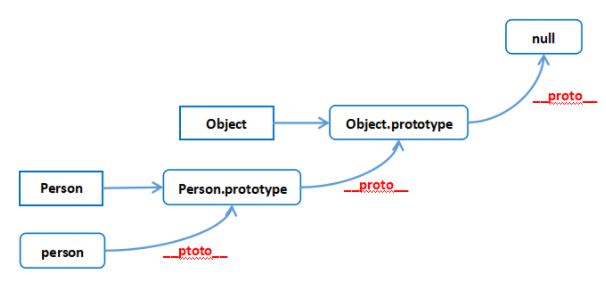
每个对象的__proto__都是指向它的构造函数的原型对象prototype的
person1.__proto__ === Person.prototype构造是一个函数对象,是通过 Function构造器产生的
Person.__proto__ === Function.prototype原型对象本身是一个普通对象,而普通对象的构造函数都是Object
Person.prototype.__proto__ === Object.prototype刚刚上面说了,所有的构造器都是函数对象,函数对象都是 Function构造产生的
Object.__proto__ === Function.prototypeObject的原型对象也有__proto__属性指向null,null是原型链的顶端
Object.prototype.__proto__ === null下面作出总结:
- 一切对象都是继承自
Object对象,Object对象直接继承根源对象null - 一切的函数对象(包括
Object对象),都是继承自Function对象 Object对象直接继承自Function对象Function对象的__proto__会指向自己的原型对象,最终还是继承自Object对象
贡献者
 duyidao
 v_duyilin 刀刀